

Effective lifestyle habits to reduce stress
Human beings today experience anxiety as a common reaction to their modern fast-paced existence. People encounter different forms of stress and anxiety throughout their lives, which include workplace pressure, academic demands, family obligations and financial issues. The combination of these factors leads to mental health problems which result in anxiety disorders for many individuals. However, the good news for you is that I have some effective ways that I can add to your daily life. It is possible to control anxiety with some simple habits and regular practice. For example, I myself have got very good results by following these effective ways. This article will discuss effective methods for reducing mental stress—specifically, those techniques that will assist you in attaining inner peace. These methods will be reviewed in detail within this text.
Read More
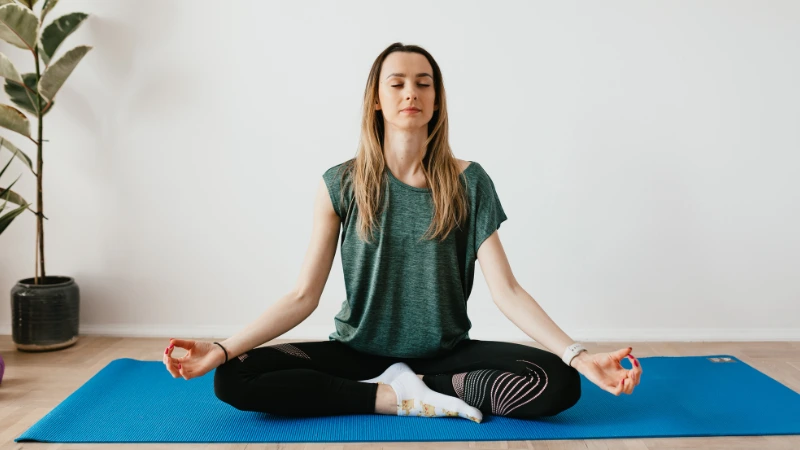
What are the effective lifestyle habits to reduce stress?
1. Exercise regularly to reduce stress:
It is essential for individuals to engage in regular physical exercise, as it is immensely beneficial for both their physical health and mental well-being. The habit of regular exercise serves as a highly effective means of alleviating the mental stress and strain of daily life. Everyone should dedicate at least 30 minutes each day to activities such as walking, running, stretching, or practising yoga. During exercise, the body releases a type of chemical substance known as “endorphins”, which evokes feelings of joy and happiness. This physiological process helps reduce mental tension and anxiety; furthermore, it improves sleep quality, boosts physical energy, and enhances focus and concentration. It is crucial to fully appreciate the significance of incorporating short, intermittent physical activities into one’s daily routine—at various times throughout the day—as such practices are instrumental in reducing stress and maintaining mental clarity.
2. Meditate or do deep breathing to reduce stress:
4. Alongside the practice of meditation, breathing exercises serve as a highly effective method for reducing anxiety. Those who undertake this practice are required to dedicate 10 to 15 minutes to it each day. To begin this process, you must first select a calm and quiet environment where you can sit still with your eyes closed. You should commence the exercise by taking a deep breath; subsequently, after holding your breath for a brief moment, you must slowly complete the exhalation process. This practice helps individuals attain a state of profound mental tranquillity and stability, as its calming influence instills a deep sense of peace in both the mind and the body. This exercise offers a multitude of benefits; for instance, it helps alleviate headaches, assists in maintaining normal blood pressure levels, and restores mental freshness—ultimately contributing to enhanced concentration and focus. By cultivating this simple daily habit, you will experience both relief from mental stress and a boost in energy levels throughout the entire day.
3. Eat healthy food to reduce stress:
People need to develop proper eating habits because these habits form the essential foundation of their daily diet which supports their entire healthy lifestyle. The daily diet needs to include nutritious foods, which must consist of different green vegetables and fruits and nuts and fish. People need to consume eight to twelve cups of water daily. People should stay away from buying processed foods that exist in stores. People should decrease their consumption of both sugar and salt. The brain and body of a human organism experience functional decline when essential nutrients become unavailable, which results in stress development.
Healthy food helps in maintaining the right balance of chemical elements in our brains. As a result, mental stability increases, the body’s strength increases, the ability to resist diseases increases and the mind remains cheerful. Healthy food helps us to stay stress-free and energetic.
4. Adequate sleep to reduce stress
People need to sleep properly because it helps them manage their anxiety and worry problems. People need to sleep for 7-8 hours every night to achieve proper rest. People require a consistent sleep pattern which demands they retire and awake at identical times throughout the week. People need to turn off their mobile phones and televisions at bedtime. People should maintain their bedroom space in complete darkness and absolute silence. Our body and mind achieve their complete restoration during sleep while our body loses stress hormones which cause stress. People who sleep inadequately will experience increased levels of anxiety and stress. The appropriate duration of sleep will refresh your brain and maintain your mental health and improve your decision-making abilities and boost your body’s defence system. A good night’s sleep is the best aid to relieve stress and remain energetic for work.
5. Think positively every day to reduce anxiety
The practice of positive thinking should be adopted as a daily habit which functions as a method to decrease mental stress. The first step of your day requires you to create a detailed plan which specifies your method for completing all your duties. People should direct their attention to the positive aspects of their day, while they should practise thinking about their negative experiences. Our thoughts create our emotional responses. Positive thinking creates a peaceful state in our brain which results in lower levels of stress hormones. Positive thinking provides multiple advantages, which include anxiety reduction, mental revitalisation, enhanced problem-solving capabilities, and development of a positive mindset. Public speakers who practise positive thinking experience stress-free lives because their mental abilities become stronger through their daily practice.
6. Use your time effectively
People should start their day by creating a list of their tasks, which they should organise according to their importance. People should divide difficult assignments into their component parts. People should establish specific time boundaries which they must complete for their work tasks. Of course, consider the importance of the task when setting the time limit. Lack of time and chaotic situations often cause anxiety. Proper time management reduces workload. Time management provides multiple advantages to people who know how to use their time. Work performance improves with better focus, and tasks can be completed without rush while people gain time for their personal activities. The establishment of an organised daily routine enables you to maintain productivity while decreasing your stress levels.
7. Do your favorite activities to reduce mental stress
People who experience mental pressure can find relief through dedicated daily periods which they spend engaging in activities that bring them joy while they unwind. People enjoy various activities, which include reading books and listening to music and cooking and gardening and performing their chosen hobbies. Anyone who concerns oneself a lot with pleasurable things can easily keep the focus unwavering by dint of a careless attitude towards the bad things standing out. Scientific research shows that these activities produce brain chemicals which induce positive feelings, enabling fast reductions of mental stress, creation of inner calm, and motivation for new activities.
As a result, our lives become happier overall. Doing these activities for a short time every day can keep you refreshed and vibrant.
8. Maintain social relationships to reduce mental distress
The process of reducing mental distress requires people to spend regular time with their friends and family members. You should share your emotions with them while also explaining the challenges that you currently encounter. You should assist others whenever the chance arises, or you should give your full attention to their spoken words. Human interaction is one of the important behaviours that we have to do as human beings since we require connection with other people. We get our emotional satisfaction from developing meaningful relationships, as these can also be used in helping us maintain our social connections. This helps in ensuring that we are not feeling lonely or anxious. This helps us in attaining our objectives through making us relaxed and more confident while enjoying ourselves. This makes it possible for you to lead a happy life without any form of stress.
9. Spend some time in nature to reduce mental anxiety
Spend Time In Nature, As It Is Very Significant In Keeping You Refreshed and Stress-Free. You should make an effort to experience natural environments on a regular basis. You should dedicate time to walk through parks and work in your garden and spend time outside during each week. People should establish connections with nature by experiencing its various elements, which include plants and bird sounds and soft winds. People can find mental peace through nature’s silent environments, which contain attractive natural landscapes. Our brains achieve peace while our minds undergo renewal. The process begins with quick mental stress relief which leads to complete mental recovery and physical refreshment and the creation of an optimistic outlook towards all situations. People who spend time outdoors in natural environments experience reduced mental stress and preserve their youthful appearance.
10. Start learning something new
Learning something new serves as a primary method for decreasing anxiety and worry. You can select any subject that interests you from options which include studying a new language or exploring music or learning a new cooking recipe or discovering a new handcrafting technique. You can learn through participation in both online courses and short in-person courses.
The experts say that learning new information creates distractions for the mind, which prevents it from worrying and thus helps to reduce anxiety while building self-confidence. The process of learning new information will eliminate boredom from your mind while it increases your ability to achieve various tasks and brings you happiness through creating new things and helps you develop a positive outlook on life. The joy of learning will help you maintain a stress-free life while it makes your life more colourful.
11. Maintain a balance between work and personal life to reduce mental fatigue
To handle your daily life stresses, you need to create healthy boundaries between your professional obligations and your personal time. You should complete your work tasks during the time designated for office operations. You need to establish specific times which you will dedicate to spending time with your family. You need to finish all your work assignments before their designated deadline. People who work without breaks experience growing mental exhaustion, which develops into stress. Both sufficient rest periods and personal time enable people to achieve mental and physical rejuvenation. Workers should take short breaks throughout their work period. The practice establishes mental tranquillity, which boosts work enthusiasm while enhancing family bonds and promoting total health. Your energy will stay strong when you keep this balance.

12. Take care of yourself
Consistent body maintenance, which people call ‘body care’, helps people to reduce their stress levels. People should dedicate daily time to spend alone, which they will use for themselves. People who maintain their hobbies and sleep properly and do physical training and consume healthy food will achieve stress relief. The human mind and body will begin to experience rising stress levels when people neglect to fulfil their basic needs. This condition causes the body to experience decreased energy levels.
Self-care practices result in positive outcomes which boost self-respect and help people maintain mental equilibrium while they work better and enjoy life more. Your ability to manage stress will improve if you spend time dedicated to yourself.
13. Set small goals
The process of setting small objectives first leads to stress management success. Stress levels decrease when you divide a major objective into its smaller components. The process of breaking down a major assignment into its smaller components creates a simplified approach to completing the assignment. The process of completing a major assignment becomes challenging because the person needs to finish everything at once. You should establish a small daily achievement goal which you will celebrate after accomplishing it. The process of working on minor tasks helps people complete projects because they find the work becomes simpler to manage. Your self-assurance will increase as you achieve your goals, which will create professional success and expedite your work process. The use of this method will help you maintain composure while achieving greater productivity.
14. Seek help from others when needed
People think that asking for help with stress makes them weak. You must tell your emotional issues to your spouse or friend or a professional therapist. The extreme nature of stress makes it difficult for people to manage their own stress. People need help from others who have different ways of thinking to find solutions to their problems because their existing methods of solving problems have failed. The process stops stress from increasing, and it helps you find multiple ways to solve problems while it removes your isolation and boosts your self-assurance. The process of asking for assistance will allow you to maintain your health while you experience a life without stress.
15. Spend time with pets
Your stress levels will decrease when you spend time with your favourite pet. Your goal can be accomplished by walking your pet and playing with your pet and showing affection to your pet. The main reason for this is that when we spend time with our pets, our brains release a hormone called ‘oxytocin’. The hormone creates feelings of happiness and safety while it reduces stress-related hormones in the body.
People experience relief from loneliness because their minds become light and joyful, which leads to normal heart rates and higher feelings of responsibility. This real companionship helps you stay free from stress while maintaining your energetic state.
To learn more, read about Healthy Living Habits for Longevity
16. To reduce mental burden, practise journaling
The habit of writing a diary is an extremely useful and worthwhile practice for reducing mental stress or anxiety. Every night, before going to sleep, write down your accumulated thoughts, your likes and dislikes, and various feelings on a piece of paper. Many thoughts or feelings that are not expressed, if they accumulate in the mind, certainly create mental stress. You must write down your emotions because it serves as a crucial requirement. Writing enables you to free your mind from stress-related thoughts, which leads to improved cognitive clarity. Writing allows you to remove mental pressure while achieving better understanding of ideas and experiencing reduced mental distress, which helps you solve problems more effectively. The practice of doing this basic task allows you to achieve greater mental tranquillity while developing better self-awareness.
16. Limit technology use:
Reduce your screen time to reduce mental stress. Avoid using mobile phones and laptops while eating and before going to sleep at night. During these times, you can read your favourite books or spend some time close to nature, which will bring peace to your mind. Our brains get tired from staring at screens for long periods, so it is necessary to reduce screen time. Also, various bad news and the tendency to compare ourselves with others on social media further increase our mental anxiety. By reducing screen time, we can get several benefits, such as increased focus or concentration, better sleep at night, better relationships with family members and friends, and elimination of mental restlessness. Digital detox, or taking breaks from technology use at regular intervals, helps you stay stress-free and refreshed.
17. Develop relaxation techniques
The experience of handling multiple major responsibilities simultaneously creates an overwhelming and stressful situation. The task becomes simpler when you concentrate on completing one small part at a time. The body experiences decreased stress levels through relaxation techniques which lead to lower heart rates and reduced muscle tension. The body benefits from improved daytime energy levels, decreased stress and anxiety symptoms, better sleep quality, and quick restoration of mental tranquillity. You will maintain your calmness and concentration abilities through the practice of this technique.
Conclusion:
Human beings experience stress during their initial years of existence. Stress relief requires people to follow specific practices that include walking and exercising and obtaining restful sleep and maintaining a nutritious diet, which all contribute to stress reduction. People need to spend time outdoors during specific periods throughout the day because it holds significant value. We need to spend time with our family and friends while also reserving time to be alone with ourselves. People can practise various breathing techniques which serve to help them achieve mental tranquillity. The main point requires you to maintain positive thoughts throughout your day. People can achieve mental tranquillity through the practice of small positive habits. People should treat their bodies with daily care while maintaining a positive attitude and minimising their existing worries. Stress should not dominate your life because you must learn to control it.
If you want to learn more about this topic, visit this detailed guide